Marrenne
Role
—
Timeline
—
Team
—
Platform
—
Image placeholder
01
Context
What is Marrenne?
Marrenne is a platform where customers can explore new luxury collections within 24 hours after it premiers at a fashion show, and pre-order outfits (that don’t exist yet) immediately.

Why Marrenne for customers?
Marrenne gives customers a digital fashion week experience:
They can explore the latest collections
Get guidance directly from brand’s stylists
Ask the brand directly about any piece.
Clients can share their wardrobe with a brand, so the stylist’s recommendations are built around what they already own.

Why that’s a big deal for customers?
Almost nobody who buys these outfits is attending these fashion weeks. Only a few stylists of VVIC clients attend it.
So customers buy on a description by the stylist and trust their vision blindly.
They pay up to 100% upfront for a piece that doesn’t exist yet.
No receipt tied to the product. No tracking, no updates until it arrives at the door after 6+ months.
The piece can change colour, or be cancelled outright, with no communication.
Why brands onboard to Marenne?
Marrenne helps the brands to translate the interest generated at the fashion weeks to insights and leads before converting it to orders.
Publish the looks within 24 hours and make the items available to pre-order, before a SKU, price or size exists.
See what people viewed, saved and asked about, not just what they ordered.
Marrenne works alongside a brand’s existing systems.

Why that’s a big deal for brands?
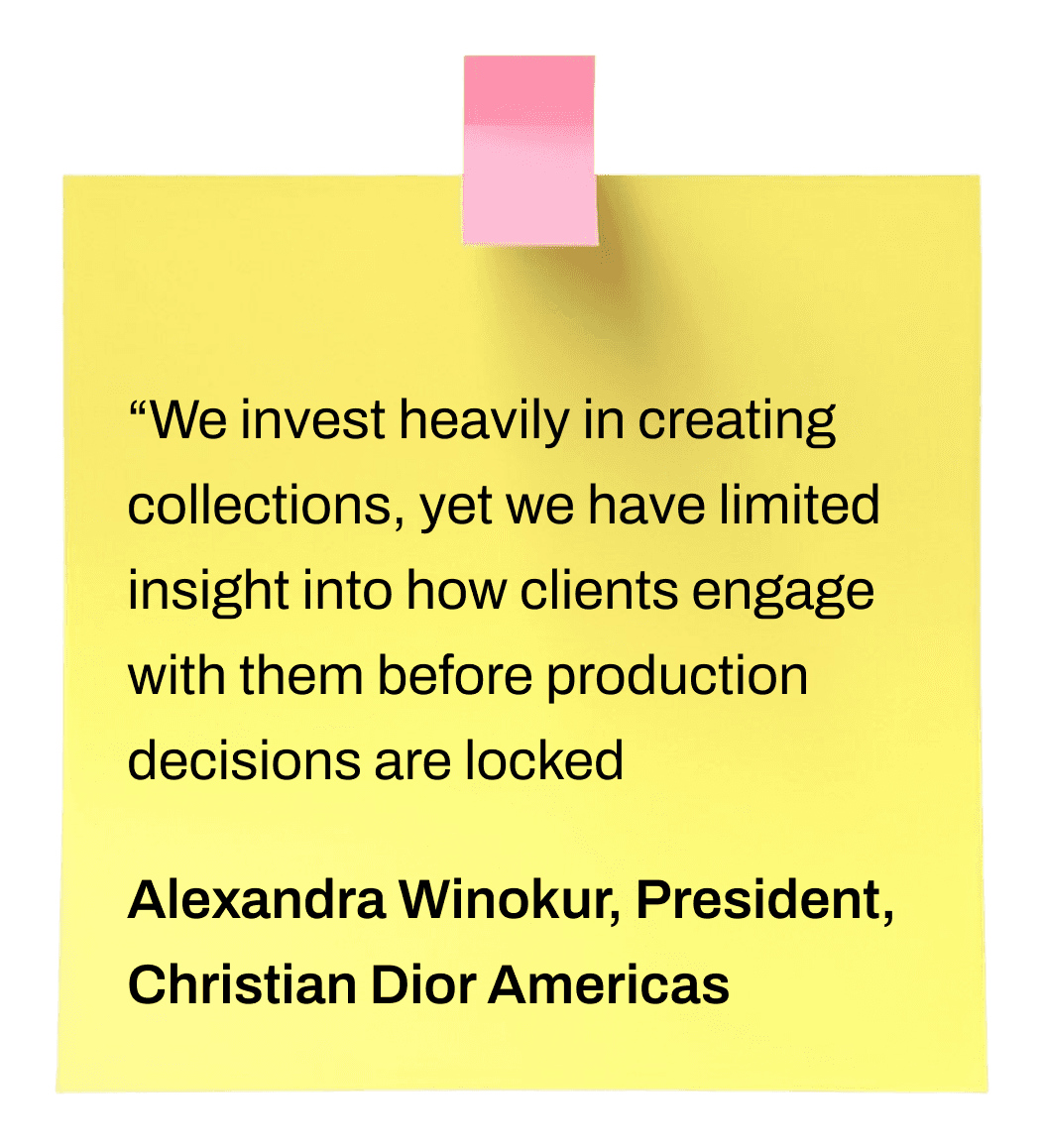
After the show ends, brand decides what to produce before it knows which pieces people actually wanted. The only signal it gets is a handful of pre-orders from clients who were in the room.
The rest of the pre-orders arrive late over emails, chats, spreadsheets thus leading to poor judgements.
So pieces people wanted get cancelled. Nearly half of one retailer’s pre-order list, in a single season.
And orders are all a brand sees. There are no other actionable insights
Who are stylists and how Marrenne can help them?
A stylist curates what their clients wear. They decide what a client sees, what’s worth their attention, and what’s worth buying.
Share full looks within 24 hours of the show.
Personalised recommendations through client’s wardrobe access.
Follow every order they placed through production and delivery, instead of tracking it in a spreadsheet.


Why that’s a big deal for stylists?
A stylist’s job is to make a client confident about something the client can’t see. Right now they do it from memory, over text.
Once a pre-order is placed, the order sits in a spreadsheet. Tracking them across clients is hard, and the status of a piece is never clear.
What a client already owns sits outside the sale. In their head, a spreadsheet, or a tool with no link to the collection.

02
Goals
So our overarching goals are:
1
A smooth experience for the client
A confirmation tied to a product and a person, production updates, delivery visibility and a clear owner if something goes wrong.
2
Assist stylists to guide the client through outfits
Show the full look, place it next to what the client already owns, answer the questions and take the pre-order, without leaving the thread.
3
Show brands demand before production is locked
Not just the pre-orders, but the whole reaction. Which looks drew interest, which ones were asked about and never bought, and which ones nobody touched at all.
03
Process
How did we figure it out?
Working sessions with stylists. Walked through a full season, show to order.
Interviews with brand executives who are the people who sign off on production.
Study existing systems that brands use for their operations.
Mapping the current flow including every handoff, spreadsheet, other artefacts and chat threads.
Studying product landscape including direct and indirect competitors.

Client artefacts

Proposed flows

Validating existing flows

Competitive analysis
04
Product evolution
V1 — the stylist work board
A styling tool. Stylists pulled from the client’s wardrobe and recent runway looks, built outfits, generated try-ons, and shared them for approval.
We moved away from it after stakeholder reviews. It served a stylist’s day well, but it did nothing for the brand’s production decision, and no one was going to buy software for an individual stylist’s workflow.


V2 — MVP demo for fashion week


05
Solution


24 hrs
Shop newest collections within 24 hrs after it premieres on fashion shows

Wardrobe
Manage multiple wardrobes across different locations
Give access to brands for their guidance
Add products bought from other places easily to wardrobe

Recommendation engine
Personalized recommendations from brands, signed and dated, built around what you already own

Get your questions answered by brands
Raise an inquiry for the product and the brands will reach out to you
Key areas Customer App
Inquiry
A runway piece has no price, no size and no SKU. So how do we make the product available to the customers? There is nothing to add to cart yet, so we built a layer before the order.
The inquiry is how a client says “I’m interested in this one”
For the brand, this is an early signal

Inquire only the products interested from a look

All your inquiries in one place.
When a brand releases a piece, you pre-order it right there.

The brand comes back with price, size and production timing in the inquiry thread.

Wardrobe
How does Marrenne provide a guided experience? The stylist starts from what a customer already owns.
Everything the customer owns, organized.
Adding a purchase from anywhere else is as simple as forwarding the receipt.

Sort your wardrobe by which home each piece lives in

Get your order history within wardrobe.

Private by default.
Nobody sees your wardrobe until you say so

Recommendations
Stylist recommendations, not algorithm led ones.
Each set of recommendations arrives signed and dated, with the stylist’s note.

Behind the scenes on Brand Portal
Looks
The whole show is in runway order. Status of each look is clearly marked. Open one look to see the products inside it and how each performed.

Publishing looks
Tag the pieces in a runway look and publish them as orderable products before price, size or SKU exist. This is how we achieved faster publishing of looks with tagged products

Season tabs
A season’s collection, organised the way demand actually moves through it. Looks, then products, then inquiries, orders and recommendations.

Create recommendation
Build a recommendation around what a client already owns, then send it to that client or a whole group in a single click.

Client dashboard

Brand dashboard
The view a brand needs before production is locked. What people wanted, what they actually ordered, and the distance between them.

06
Outcome
Outcome — in progress
Placeholder. Add results, metrics or launch notes here once the Outcome slides are ready.
Image placeholder
07
Wrap-up
Wrap-up — in progress
Placeholder. Add learnings and next steps here once the Wrap-up slides are ready.
Image placeholder
Marrenne
Role
—
Timeline
—
Team
—
Platform
—
Image placeholder
01
Context
What is Marrenne?
Marrenne is a platform where customers can explore new luxury collections within 24 hours after it premiers at a fashion show, and pre-order outfits (that don’t exist yet) immediately.
Why Marrenne for customers?
Marrenne gives customers a digital fashion week experience:
They can explore the latest collections
Get guidance directly from brand’s stylists
Ask the brand directly about any piece.
Clients can share their wardrobe with a brand, so the stylist’s recommendations are built around what they already own.
Why that’s a big deal for customers?
Almost nobody who buys these outfits is attending these fashion weeks. Only a few stylists of VVIC clients attend it.
So customers buy on a description by the stylist and trust their vision blindly.
They pay up to 100% upfront for a piece that doesn’t exist yet.
No receipt tied to the product. No tracking, no updates until it arrives at the door after 6+ months.
The piece can change colour, or be cancelled outright, with no communication.
Why brands onboard to Marenne?
Marrenne helps the brands to translate the interest generated at the fashion weeks to insights and leads before converting it to orders.
Publish the looks within 24 hours and make the items available to pre-order, before a SKU, price or size exists.
See what people viewed, saved and asked about, not just what they ordered.
Marrenne works alongside a brand’s existing systems.
Why that’s a big deal for brands?
After the show ends, brand decides what to produce before it knows which pieces people actually wanted. The only signal it gets is a handful of pre-orders from clients who were in the room.
The rest of the pre-orders arrive late over emails, chats, spreadsheets thus leading to poor judgements.
So pieces people wanted get cancelled. Nearly half of one retailer’s pre-order list, in a single season.
And orders are all a brand sees. There are no other actionable insights
Who are stylists and how Marrenne can help them?
A stylist curates what their clients wear. They decide what a client sees, what’s worth their attention, and what’s worth buying.
Share full looks within 24 hours of the show.
Personalised recommendations through client’s wardrobe access.
Follow every order they placed through production and delivery, instead of tracking it in a spreadsheet.
Why that’s a big deal for stylists?
A stylist’s job is to make a client confident about something the client can’t see. Right now they do it from memory, over text.
Once a pre-order is placed, the order sits in a spreadsheet. Tracking them across clients is hard, and the status of a piece is never clear.
What a client already owns sits outside the sale. In their head, a spreadsheet, or a tool with no link to the collection.
02
Goals
So our overarching goals are:
1
A smooth experience for the client
A confirmation tied to a product and a person, production updates, delivery visibility and a clear owner if something goes wrong.
2
Assist stylists to guide the client through outfits
Show the full look, place it next to what the client already owns, answer the questions and take the pre-order, without leaving the thread.
3
Show brands demand before production is locked
Not just the pre-orders, but the whole reaction. Which looks drew interest, which ones were asked about and never bought, and which ones nobody touched at all.
03
Process
How did we figure it out?
Working sessions with stylists. Walked through a full season, show to order.
Interviews with brand executives who are the people who sign off on production.
Study existing systems that brands use for their operations.
Mapping the current flow including every handoff, spreadsheet, other artefacts and chat threads.
Studying product landscape including direct and indirect competitors.
Client artefacts
Proposed flows
Validating existing flows
Competitive analysis
04
Product evolution
V1 — the stylist work board
A styling tool. Stylists pulled from the client’s wardrobe and recent runway looks, built outfits, generated try-ons, and shared them for approval.
We moved away from it after stakeholder reviews. It served a stylist’s day well, but it did nothing for the brand’s production decision, and no one was going to buy software for an individual stylist’s workflow.
V2 — MVP demo for fashion week
05
Solution
24 hrs
Shop newest collections within 24 hrs after it premieres on fashion shows
Wardrobe
Manage multiple wardrobes across different locations
Give access to brands for their guidance
Add products bought from other places easily to wardrobe
Recommendation engine
Personalized recommendations from brands, signed and dated, built around what you already own
Get your questions answered by brands
Raise an inquiry for the product and the brands will reach out to you
Key areas Customer App
Inquiry
A runway piece has no price, no size and no SKU. So how do we make the product available to the customers? There is nothing to add to cart yet, so we built a layer before the order.
The inquiry is how a client says “I’m interested in this one”
For the brand, this is an early signal
Inquire only the products interested from a look
All your inquiries in one place.
When a brand releases a piece, you pre-order it right there.
The brand comes back with price, size and production timing in the inquiry thread.
Wardrobe
How does Marrenne provide a guided experience? The stylist starts from what a customer already owns.
Everything the customer owns, organized.
Adding a purchase from anywhere else is as simple as forwarding the receipt.
Sort your wardrobe by which home each piece lives in
Get your order history within wardrobe.
Private by default.
Nobody sees your wardrobe until you say so
Recommendations
Stylist recommendations, not algorithm led ones.
Each set of recommendations arrives signed and dated, with the stylist’s note.
Behind the scenes on Brand Portal
Looks
The whole show is in runway order. Status of each look is clearly marked. Open one look to see the products inside it and how each performed.
Publishing looks
Tag the pieces in a runway look and publish them as orderable products before price, size or SKU exist. This is how we achieved faster publishing of looks with tagged products
Season tabs
A season’s collection, organised the way demand actually moves through it. Looks, then products, then inquiries, orders and recommendations.
Create recommendation
Build a recommendation around what a client already owns, then send it to that client or a whole group in a single click.
Client dashboard
Brand dashboard
The view a brand needs before production is locked. What people wanted, what they actually ordered, and the distance between them.
06
Outcome
Outcome — in progress
Placeholder. Add results, metrics or launch notes here once the Outcome slides are ready.
Image placeholder
07
Wrap-up
Wrap-up — in progress
Placeholder. Add learnings and next steps here once the Wrap-up slides are ready.
Image placeholder